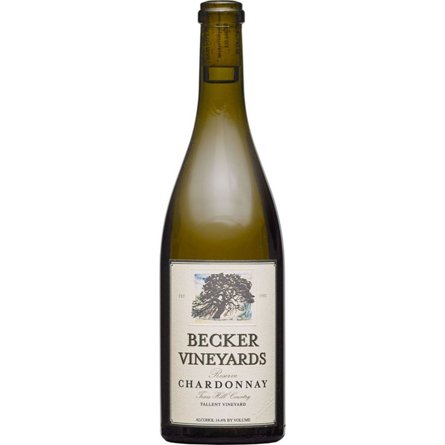
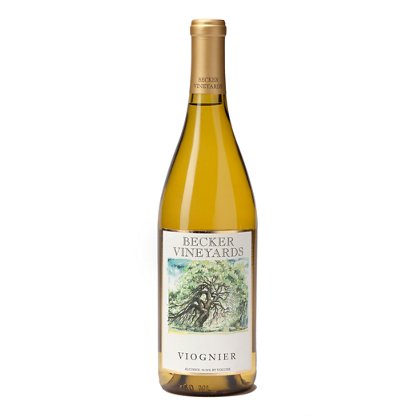
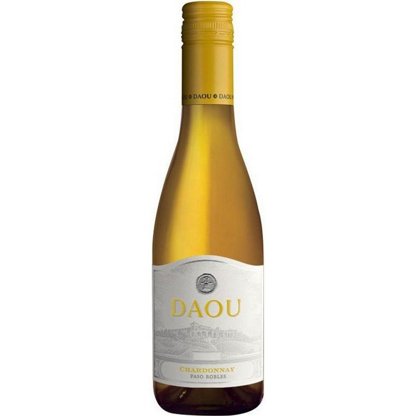
From Spanish missions cultivating grapes in west Texas, to Italian immigrants who brought their wine traditions, Texas is currently the third largest wine-producing state in the U.S. with more than a thousand operating wineries from the High Plains to the Hill Country.
CUTTINGS, CULTIVATING, INNOVATING
1600s – Franciscan missionaries brought and planted grapevine cuttings to present-day El Paso
1883 – Val Verde, the oldest winery in operation in Texas, is founded
1888 – Viticulturist Thomas Volney Munson is awarded the French Legion of Honor Chevalier du Mérite Agricole for his hybridized phylloxera-resistant grape rootstock, saving the European grape and wine industry from devastating fungus and insect attacks
TEXAS WINE TODAY
1900s – 25 established wineries in Texas at the turn of the century
1970s – Parts of the High Plains designated as an American Viticultural Area
1980s-90s – Texas Hill Country gains wineries and becomes a popular destination for wine touring and tasting
2021 – Texas legislates that wines labeled with a Texas county, American Viticultural Area, or single vineyard to be made with 100% Texas grapes
Present – More than 9,300 acres of vineyards span High Plains, Hill Country, North Texas, Gulf Coast with more than 1000 operating wineries